There are no products in your basket.
How 3D Technology is Revolutionizing Reef Conservation
Borneo – a name that sparks images of adventure, dense rainforests, and vibrant marine life. This island, shared by Malaysia, Brunei, and Indonesia, faces the delicate balance of growing tourism, increasing palm oil demand, and urgent conservation needs. While much attention is given to the protection of the island’s iconic orangutans, Borneo is also home to some of the world’s most breathtaking and ecologically significant coral reefs. Both land and sea face immense pressure, but a groundbreaking initiative is proving that conservation, tourism, and scuba diving can work together to create lasting change.
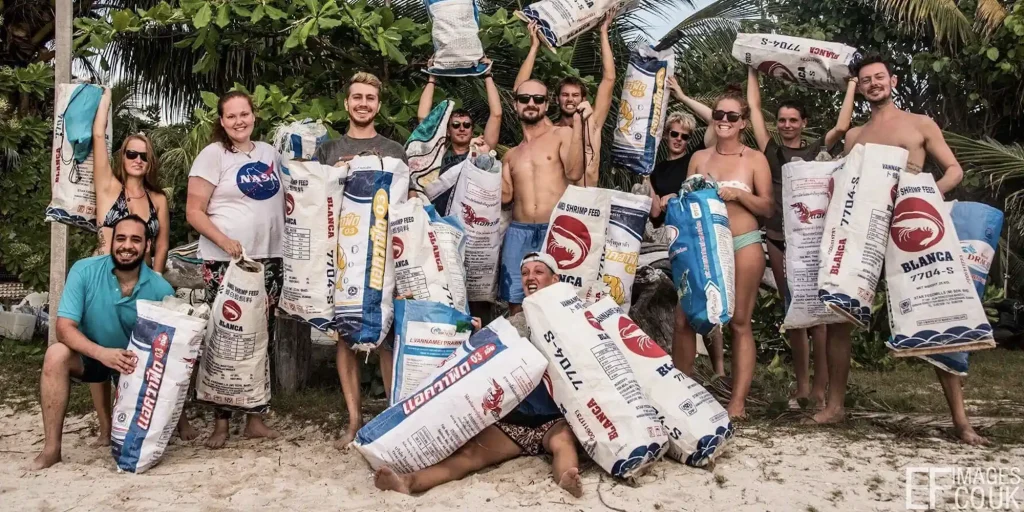
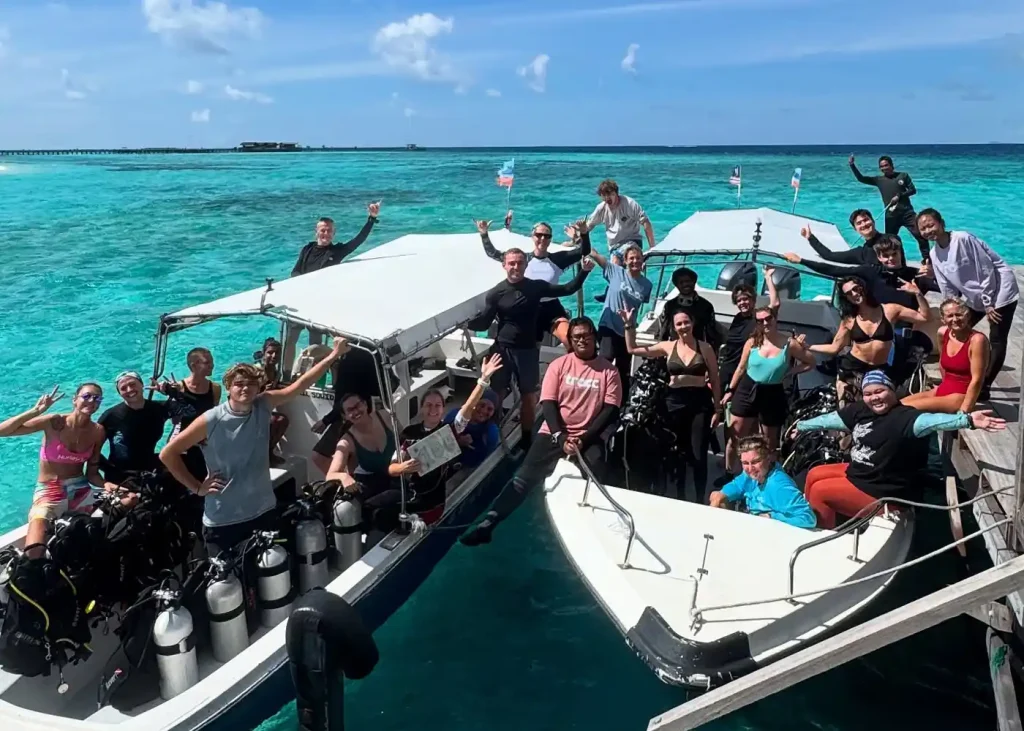
At the heart of this initiative is Robin Philippo, the visionary behind TRACC (Tropical Research and Conservation Centre), a volunteer-driven diving conservation organization located off Borneo’s coast. TRACC trains divers not just to explore the underwater world but to become passionate conservationists who could one day change the planet. We caught up with Robin to learn more about his work and his surprising fascination with 3D printers.
The Journey Begins: A Passion for Diving and Conservation
Robin’s journey into marine conservation started with a single dive. That first plunge into the ocean’s depths set him on a path that would lead him to create an organization dedicated to restoring the coral reefs he fell in love with.
Now based on Pom Pom Island, just a short distance from the world-famous dive site of Sipadan, Robin runs TRACC with a mission to blend science, conservation, and hands-on action.
What Makes TRACC Different?
Volunteer-based conservation diving isn’t new. For years, divers have been contributing to reef surveys and underwater restoration efforts. But what sets TRACC apart is its pioneering use of 3D printing technology to revolutionize coral restoration.
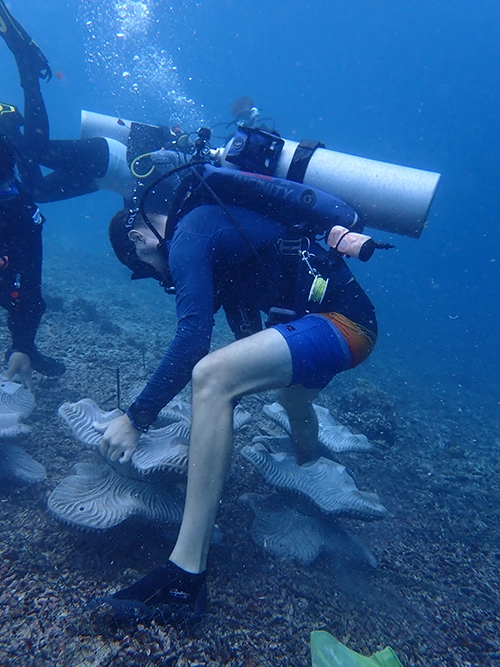
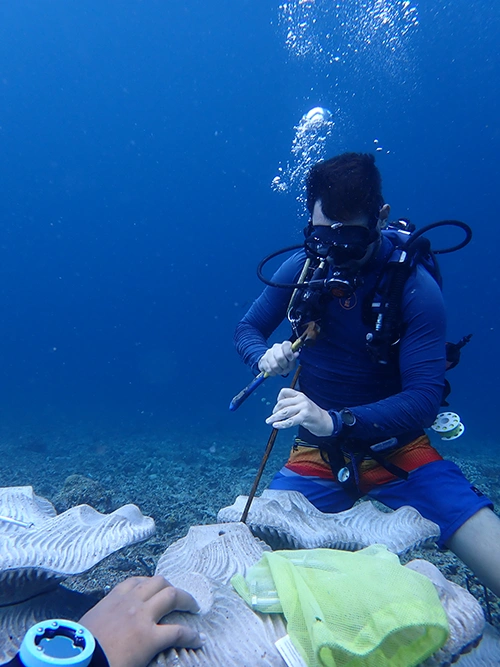
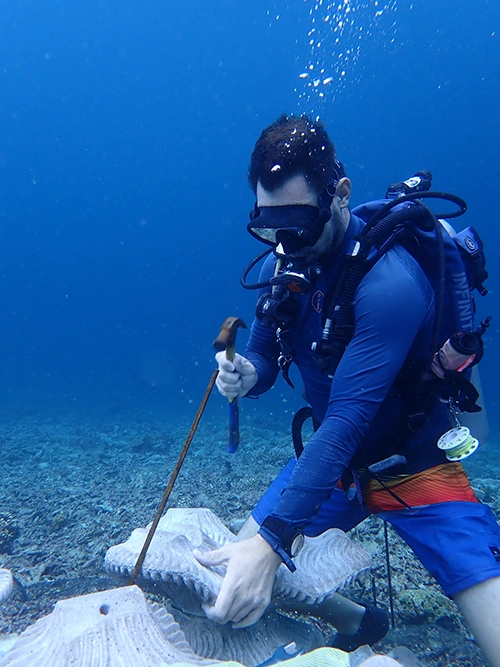
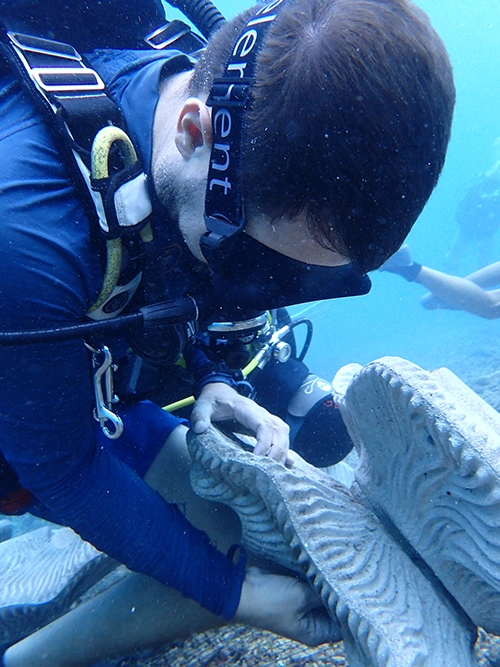


Printing Coral? How It Works
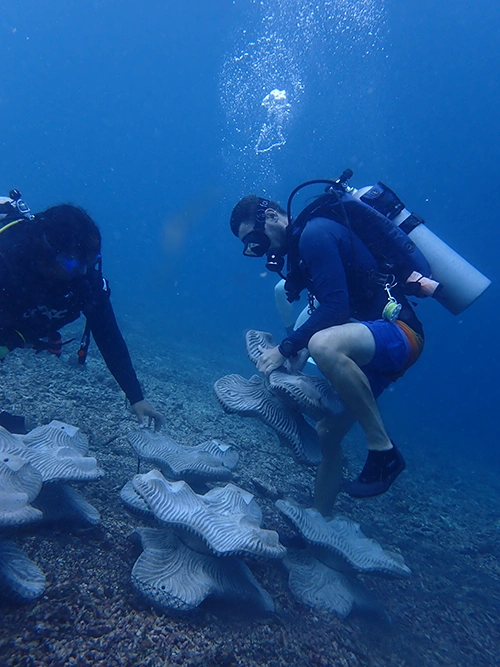
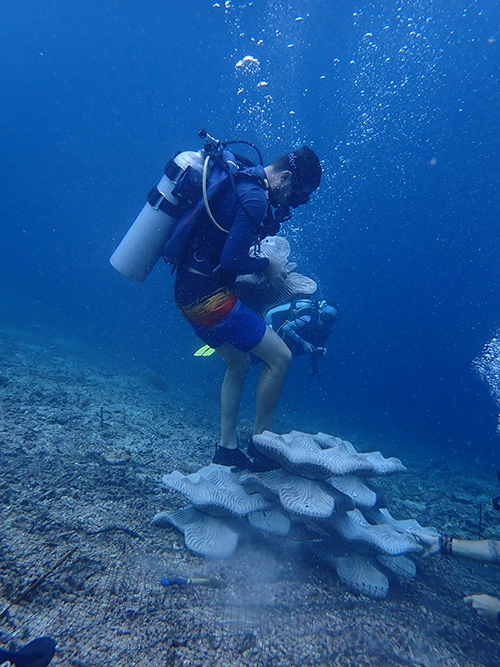
Traditional artificial reef structures often rely on rebar or concrete frames, slowly colonized by marine life over time. But Robin and his team have introduced a new approach—creating giant coral models using 3D printing technology. These structures mimic natural reef formations more accurately, offering corals a stable and inviting surface to grow on.
The result? Faster, more effective coral regeneration that supports marine biodiversity and restores damaged ecosystems at an unprecedented rate.
The Bigger Picture: Hopes for the Future
Through TRACC’s work, Robin hopes to inspire divers and conservationists to take a more proactive role in marine restoration. The threats facing coral reefs are immense—climate change, pollution, and destructive fishing practices all pose serious risks. But by combining innovative technology with dedicated volunteer efforts, there’s hope for a brighter future.
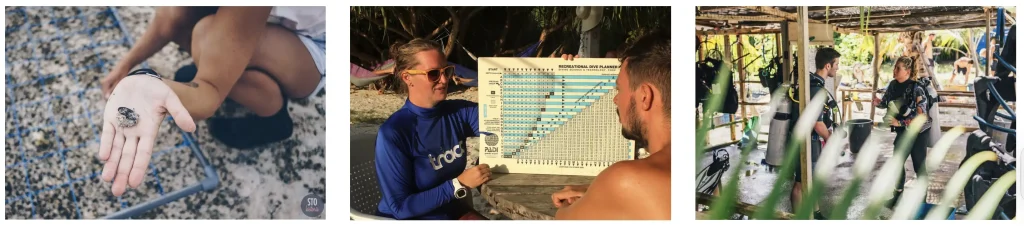
How You Can Make a Difference
Not everyone can travel to Borneo to join TRACC’s efforts in person. But conservation isn’t limited to those who can dive. Here’s how you can help:
- Support Marine Conservation Organizations: Donate to groups like TRACC that are making a real impact.
- Reduce Your Carbon Footprint: Climate change is one of the biggest threats to coral reefs. Small changes in your daily habits—like using less plastic and choosing sustainable seafood—can make a big difference.
- Spread Awareness: Educating others about the importance of coral reefs and conservation efforts helps build a global movement.
The ocean’s future depends on all of us. Whether you’re an experienced diver or simply someone who cares about the planet, there’s a way for you to get involved. And who knows? Maybe one day, you’ll find yourself diving off the coast of Borneo, witnessing firsthand how technology and passion are coming together to save our reefs.
Find out more about TRACC and how to support their work by visiting tracc.org