


There are no products in your basket.
A Wetsuit for the Future
How the Fourth Element Xenos ARC is Redefining Sustainable Dive Gear
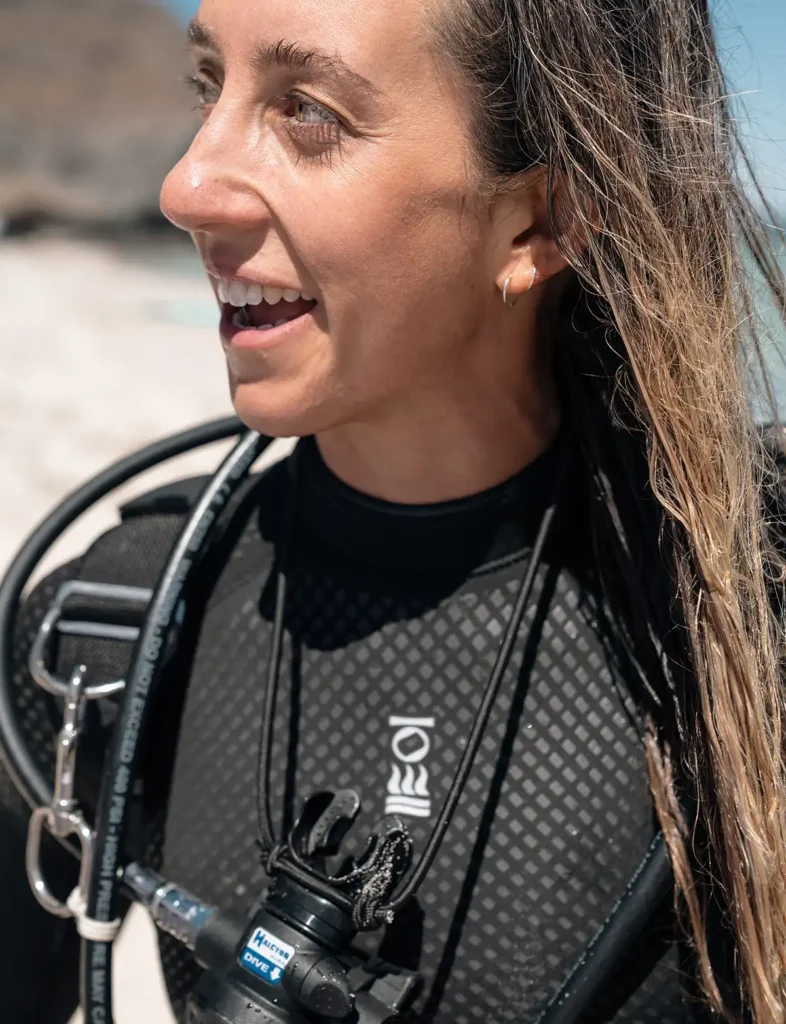
Rethinking the foundation: beyond neoprene
Divers are often described as the ocean’s most passionate guardians – people who don’t just care about the sea in principle, but in practice, because they encounter it with a proximity most humans never will. They see coral reefs up close, not as postcards but as ecosystems; they feel thermoclines shifting, watch the behaviour of marine life season to season, and notice subtle changes in conditions that tell larger environmental stories. In many ways, divers are the first audience to witness decline, and the first to feel the grief of it.
Yet there has always been a tension in diving: the gear we use to explore the underwater world has traditionally been made from the same fossil-fuel systems contributing to its degradation. Wetsuits have, for decades, been synonymous with neoprene – a material whose origins lie in the petrochemical industry. Even limestone-based neoprenes, marketed as “eco-friendlier,” still rely on extractive, high-energy manufacturing processes. The irony has been unavoidable: we go to the ocean to admire it – wearing materials that harm it.
Fourth Element has been confronting this contradiction for years. But in 2026, we are taking a dramatic step forward with the launch of the Xenos ARC, a wetsuit engineered not only for performance, but for a radically reduced environmental footprint. We sat down with our co-founder Jim Standing to talk about why this product matters, how it was made, and why sustainability is not a marketing feature – it’s a moral obligation for anyone who calls themselves a diver.
The myth of compromise – and why this suit kills it
Historically, sustainability in technical gear has often been associated with compromise: it’s more ethical, but less comfortable… more responsible, but less durable. As a company, we refused to accept that paradigm.
“From day one,” Jim says, “this project was guided by a rule: if it’s not better than traditional neoprene, we don’t release it.”
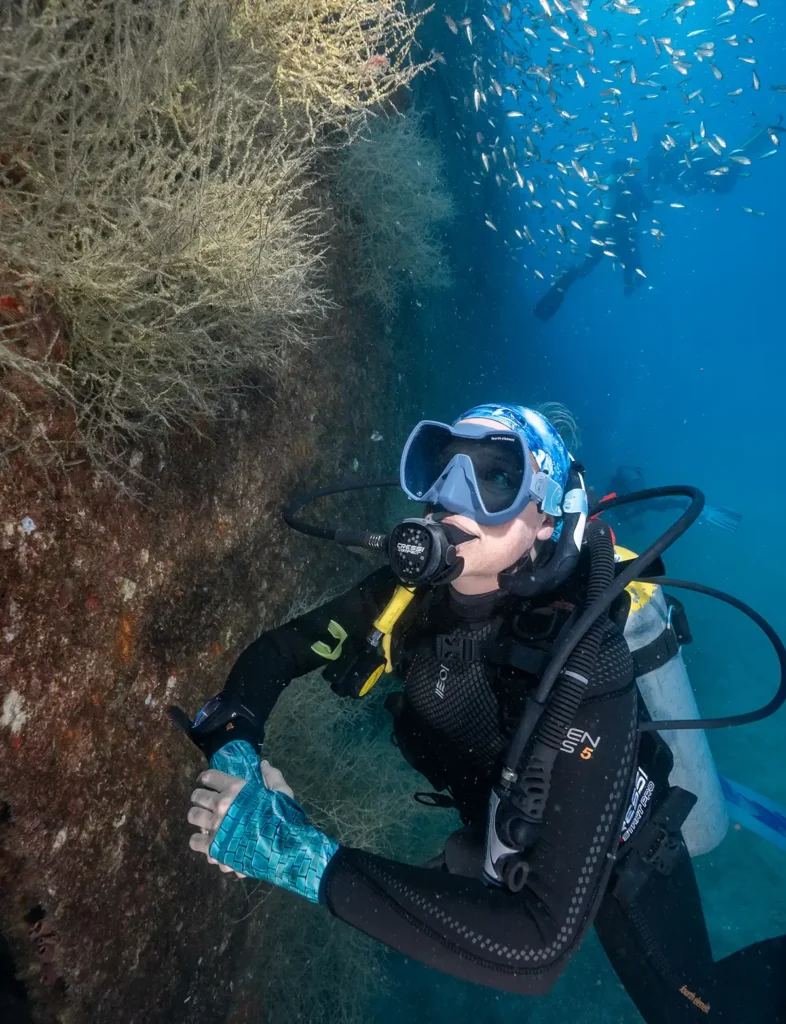
The result? A wetsuit that test divers described as “so comfortable you forget you’re wearing it.” The recycled linings – 42% recycled polyester and 8% recycled elastane – are ultra-stretch, allowing the suit to move with the diver as if it were tailored to their own body. The interior dries incredibly quickly, a major benefit for liveaboard expeditions when repeated donning and doffing can become a chore.
Thermal performance, meanwhile, is secured by Thermoflex lining across the torso, hydrolock and glideskin seals to reduce flushing, and triple-glued blindstitched seams that significantly limit water ingress. “It isn’t a green wetsuit,” Jim emphasises. “It’s a top-tier wetsuit that happens to be green.”
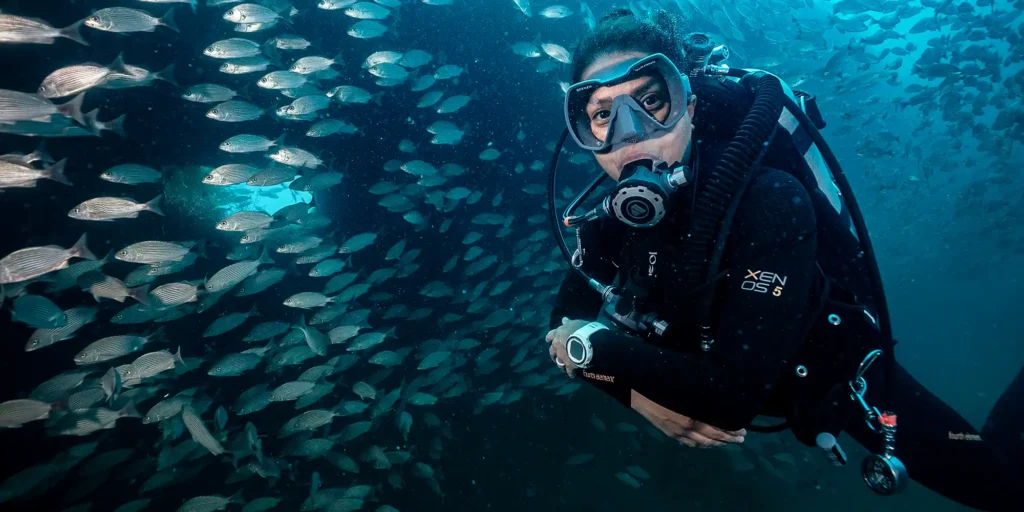
A solution to the diver’s dilemma of loving the ocean while contributing to its harm
What makes the Xenos ARC feel like a turning point isn’t just its material integrity – it’s how clearly it speaks to something divers have been wrestling with for years: responsibility.
“Divers have a privileged position,” Jim says. “We don’t read reports about reef damage – we swim through it. We don’t scroll past a picture of a turtle tangled in plastic – we rescue it. That kind of first-hand experience comes with moral weight.”
Fourth Element believes this places divers in a unique cultural role – not just as sports participants but as witnesses.
“I think, for many divers, there’s been a kind of cognitive dissonance,” reflects Jim. “We want to protect the ocean, and we feel deeply connected to it – but then we zip ourselves into a suit made from fossil fuels. The Xenos ARC is about removing that contradiction. It lets divers live their values in the most literal sense – on their body, in the water, every time they step off the back of a boat.”
Sustainability isn’t just supply chain management – it’s philosophy
The environmental design principles extend beyond the suit itself. The Xenos ARC uses recyclable paper packaging instead of single-use plastics. Water-based glues replace toxic adhesives commonly used in traditional wetsuit lamination. And the entire system is designed for durability – because the most sustainable product is the one you don’t need to replace prematurely.
“It’s not only about how something is made, but how long it lasts,” Jim says. “The compression resistance of this rubber means better performance over more dives – so divers aren’t buying a replacement suit after a couple of seasons.”

This is sustainability in practice – not in slogans
“But let’s be clear about one thing.” Jim says, noticeably changing gear. “Sustainability is too easy to talk about, and much harder to achieve – otherwise we would all be doing it. Nothing we do is truly ‘sustainable’ – and choosing one consumer product over another is not suddenly going to save the world. But we can all make choices that reduce our impact – we can choose to tread a little less heavily on our planet. It’s not just about what wetsuit we buy, it could be about the food we eat, the way we travel, even the truly simple things like how we treat ourselves to a cup of coffee. Our impact is the sum of our actions, and we want the choices we make at fourth element to reflect this too.”
We had a vision for a better wetsuit; but what drives this more – it’s a manifesto for change.
The shift from consumer to custodian
A major theme running through this project – and through our wider mission as a company – is agency. Divers aren’t passive customers; they are stakeholders in the future of the ocean.
“When a diver chooses a lower-impact wetsuit, they’re not just buying gear, they’re voting for the kind of industry they want,” Jim says. “Manufacturers respond to behaviour. When divers reward sustainability, we get more of it. When they don’t, nothing changes.”
He pauses.
“Divers love to say they’re advocates for the ocean. This is what advocacy looks like: it’s not a speech, or a poster – it’s a purchasing decision.”

What comes next
The Xenos ARC isn’t an endpoint – it’s a blueprint. We see natural rubber composites taking centre stage across the next generation of exposure protection. Performance-first sustainability is no longer niche – it’s the mark of responsible innovation.
“This won’t be the last suit we and others in our industry build using materials like this,” Jim confirms. “It’s the new baseline. The era of fossil neoprene needs to end – and I believe divers will lead that transition.”
The deeper message: when gear becomes activism
At its heart, the Xenos ARC is more than a product – it’s a narrative shift. It reframes sustainability not as sacrifice, but as aspiration. For divers, it answers a quiet discomfort: the inconsistency between what we value and what we wear.
“You don’t have to harm the ocean to enjoy it anymore,” Jim says, “and that should feel empowering.”
In a sport defined by respect for the underwater world, that empowerment matters.
Because when the people closest to the ocean choose better, the industry follows.
Because the future of diving isn’t just about going deeper.
It’s about taking responsibility for what we leave behind.
References: https://ocenarubber.com/english/fabrics/functional.php
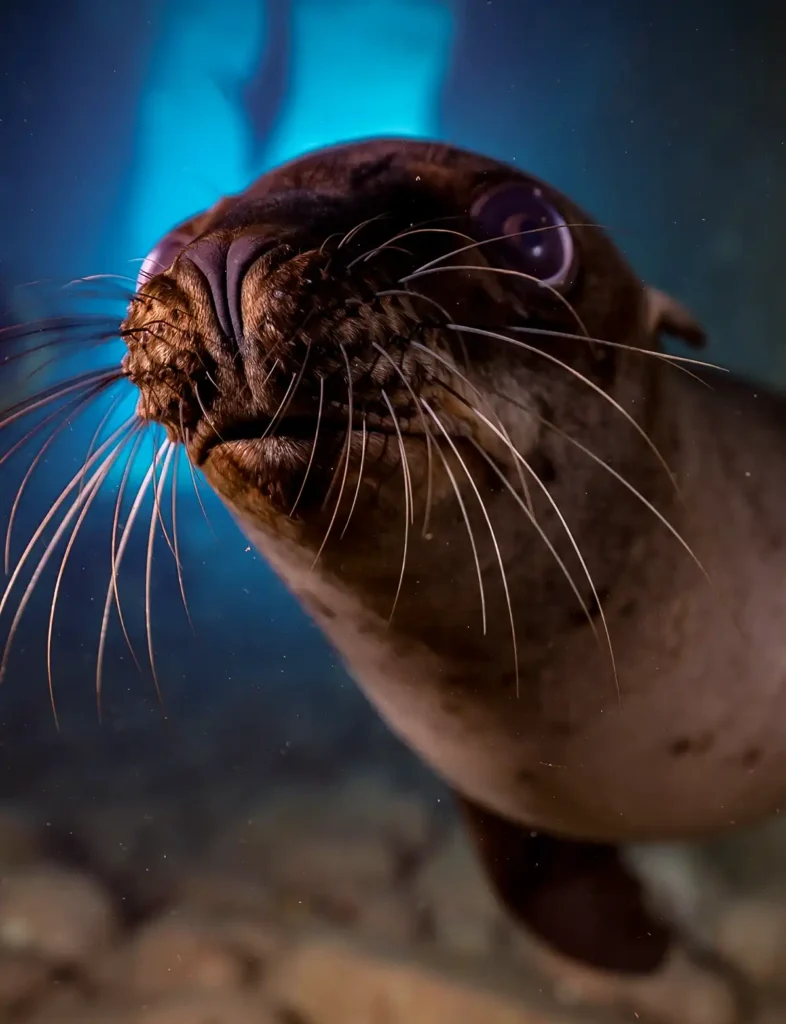
Underwater photography courtesy of Kristin Patarakis