


There are no products in your basket.
Fakarava’s ‘Shark Walls’
When I got a call from one of the production companies I work with asking if I would be free for a National Geographic shark shoot in Tahiti next month, it took me all of a nanosecond to reply – “Hell yes!”. Shark shoots are always fun, but as most of my shoots are with Great Whites in cold green water and 8m vis, the thought of filming sharks in 30m visibility – and in warm blue tropical water for a change was pretty appealing!
A 5 hour flight got us and 20 odd cases of gear from NZ to Tahiti, where we had a a day to re-check our camera and dive equipment before the next flight to our isolated destination for the following couple of weeks, Fakarava .. ‘Shark capital of the world’!
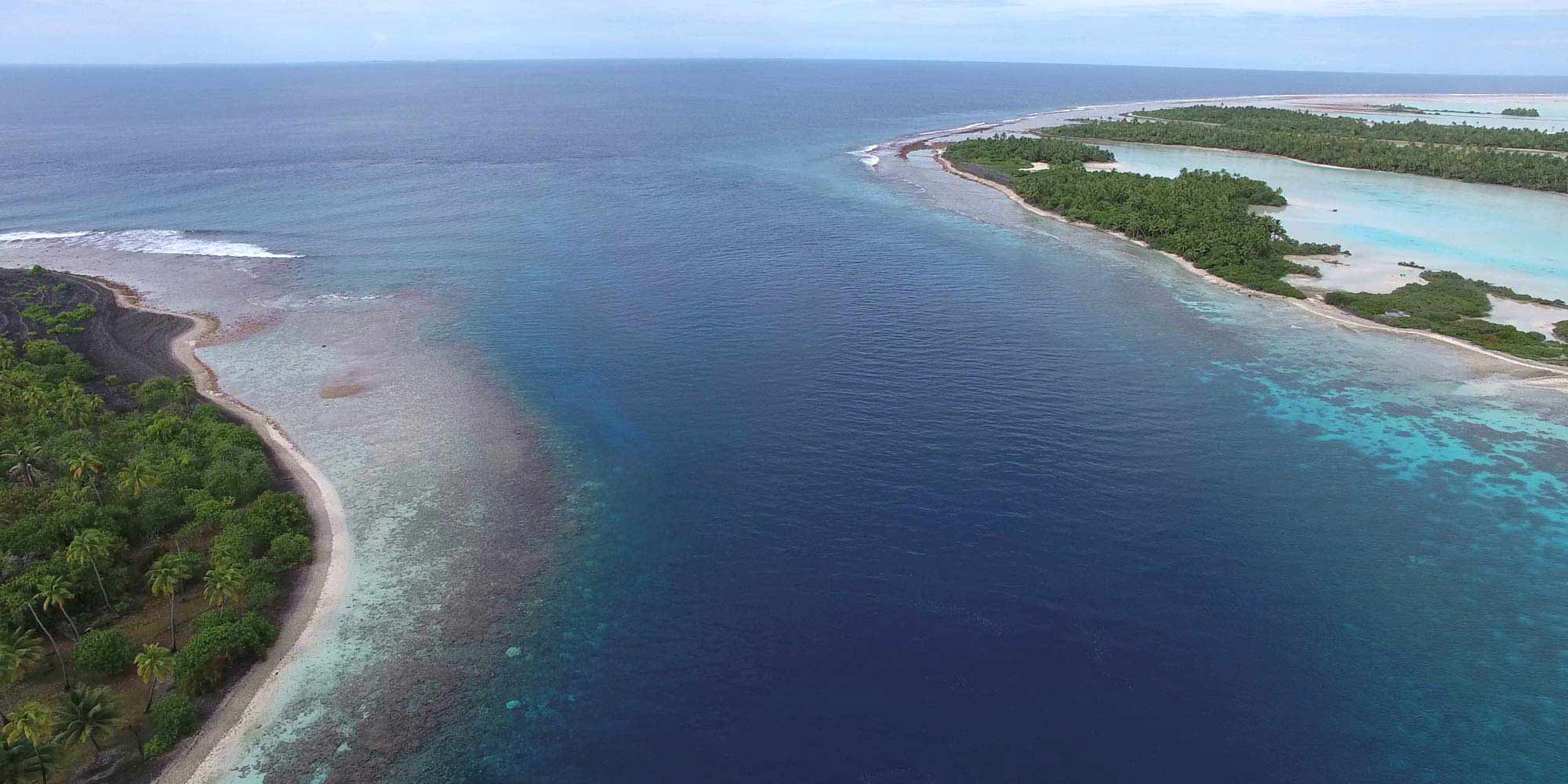
Tahiti itself is only one of the 121 islands and atolls spread over the huge (4000 km2) expanse of ocean that make up French Polynesia, and to get to Fakarava in the Tuamoto group was still a further 90min flight /450km away.
Less than 900 people live on the atoll, and the tiny ‘airport’ caters to small planes only, so trying to cram all of our dive and camera gear into the cramped cargo space of our small plane was slightly stressful (and very hot)! Finally though we were in the air again and looking down on the vastness of the Pacific ocean below, the luminescent blue interrupted only by a few lonely looking atolls, ring reefs and emerald green lagoons – all looking very appealing!
After landing at a tiny airstrip we transferred the gear a short distance by van to the water, and re-loaded everything onto a couple of small boats for a 3 hour/ 60km boat trip up what is the second largest lagoon in French Polynesia. This part of the journey really reinforced the isolation of our destination if anything went wrong – any deco issues or a shark bite out here would be a major! The nearest hospital was back on Tahiti so an evacuation would mean retracing the 3 hour boat trip to the airstrip at the other end of the lagoon, and likely having to wait until the following morning to be medivac’d out, as the small planes here couldn’t fly in at night, – meaning it could end up taking 20 hours or more to get medical attention. Luckily we had a surgeon with us just in case!
On a more positive note though, the tiny village of Tetamanu where we would be staying at was an idyllic spot, and we could literally walk out of our huts and straight into the water. Schools of Blacktip sharks scooted through the shallows, and as we were right on the edge of the Pass, our dives finished under the restaurant, which was on stilts out over the water!
Our goal was to film the mass aggregation of reef sharks that are drawn each year to the annual grouper spawning that takes place in the Tumakohua pass, and to document the epic spectacle of 700 sharks patrolling the channel in the lead up to the spawning event, when up to 20,000 grouper all get it on at once!
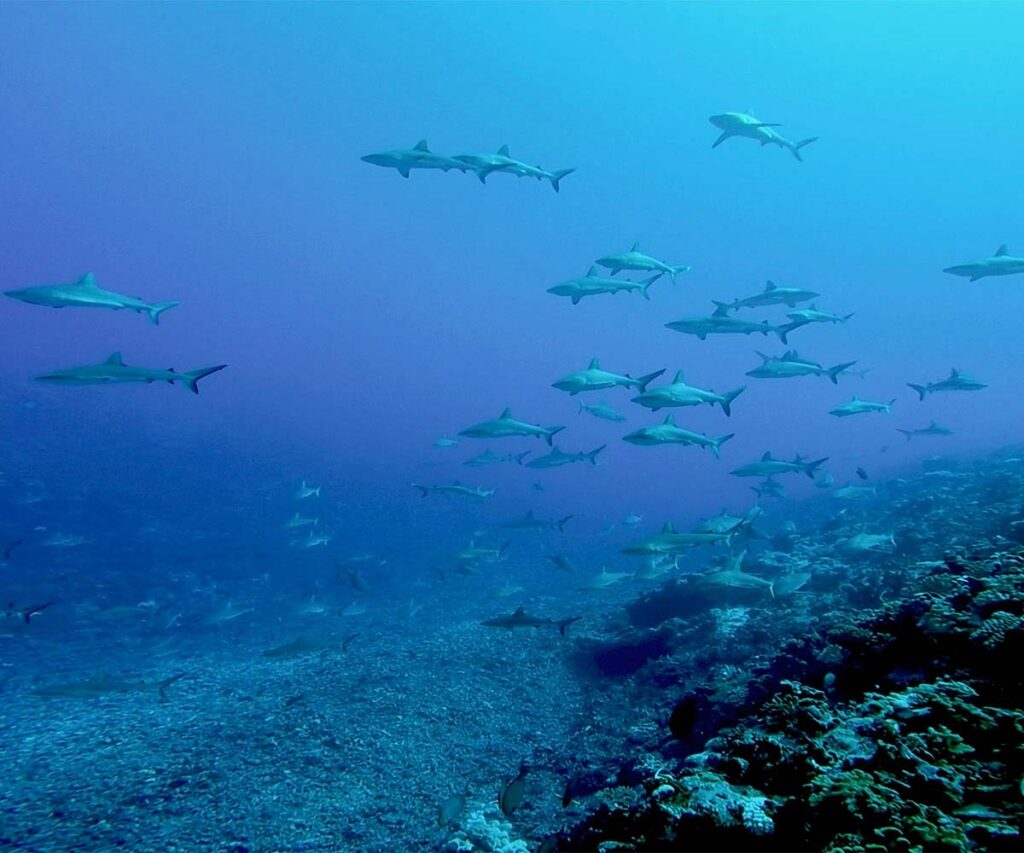
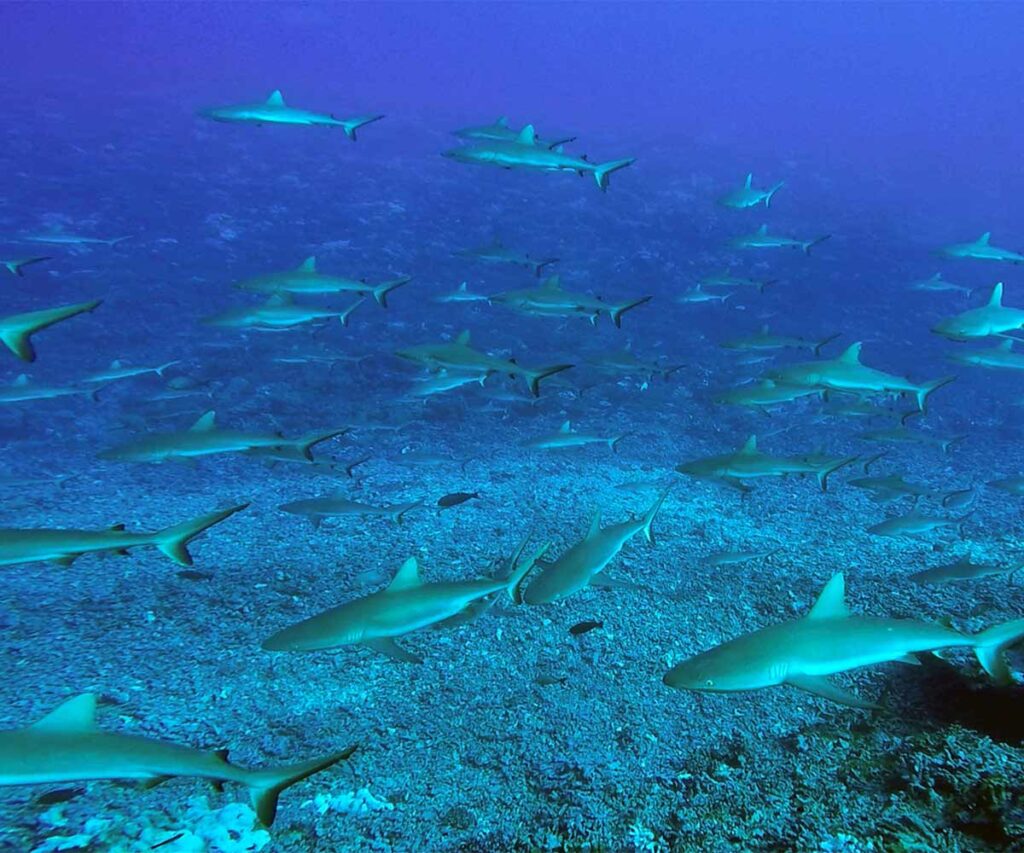
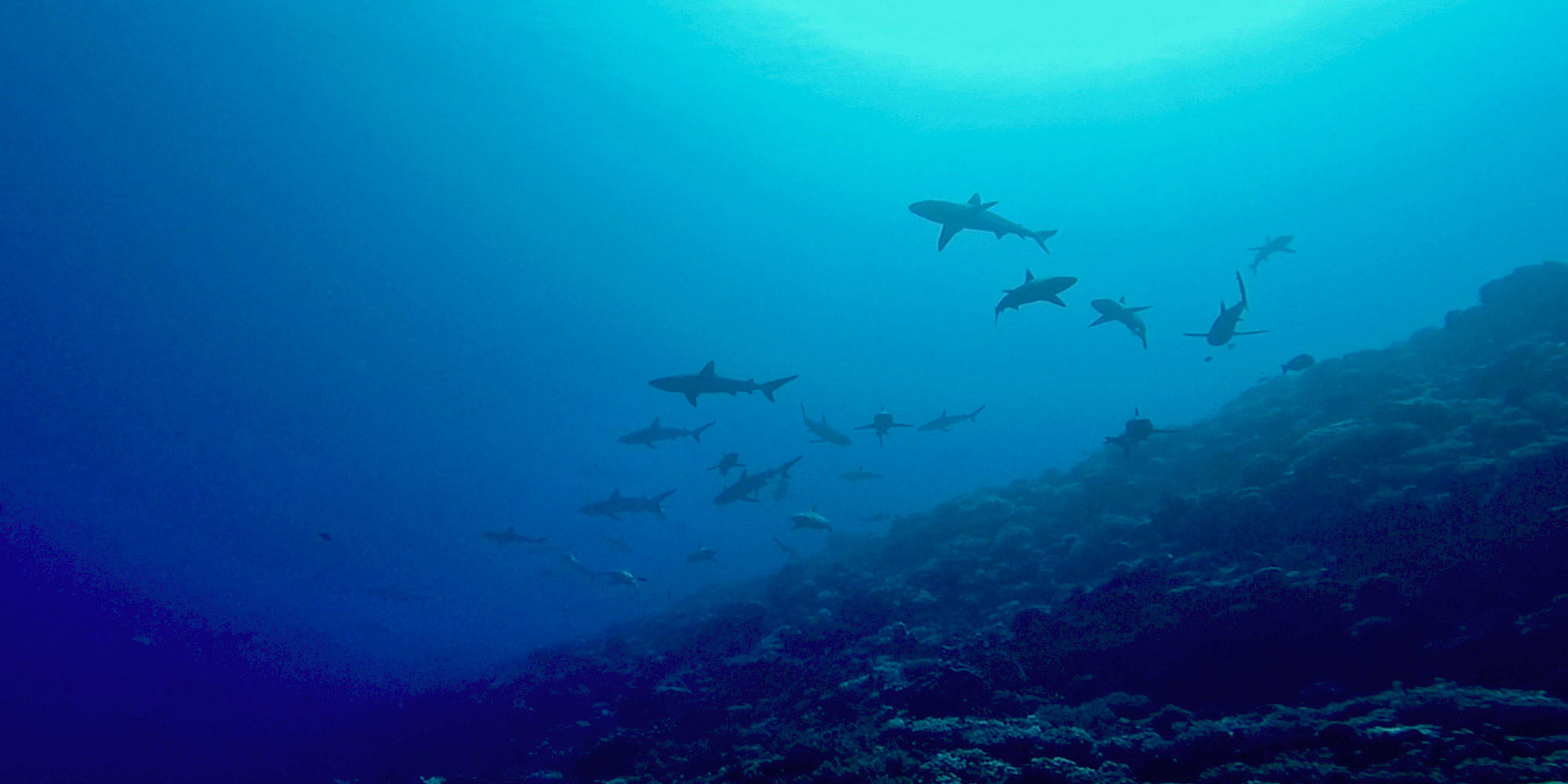
Each day we were dropped off by small boat at the entrance to Tumakohua pass on the incoming tide, and would drop down to around 30-35M to be drawn into the pass on the strong current, – drifting through hundreds of grouper milling over the bottom as they began to congregate ready for spawning. As the pass narrowed and shallowed up to around 18M we would hit the first ‘wall’ of sharks, – 100-150 mostly Grey reef sharks hanging in the current like a squadron of fighter jets!
Battling the current to try and hold position for a while, I would get right amongst them, filming as much as I could before peeling off and drifting down to the next ‘shark wall’, – this one made up of closer to 200 sharks spread across the narrowing channel. Two more ‘walls’ of sharks followed these before the end of the dive back at Tetamanu. To drift through so many sharks in gin-clear, warm blue water every day was a surreal experience, – definitely one of the more memorable shark shoots I’ve done!
Fortunately it was these shark aggregations that were the real focus of our shoot, as capturing the grouper spawning proved to be a challenge! Although we saw thousands of grouper massing in the pass every day, the actual spawning only occurs on one night of the year when a full moon and an outgoing tide coincide with a particular month. The year we were there this all came together at about 2am and we missed it by a few hours, although we did capture the grouper aggregation and the shark packs circling in preparation for the spawning, which was what we were after!
Also filming at Fakarava at the same time was French filmmaker Laurent Ballesta and his team of CCR divers – doing some incredibly long dives on their rebreathers. With the inside knowledge they had gained from a previous trip there the year before, and the huge bottom times their rebreathers gave them, they managed to dive around the clock through the night and capture some amazing images of the grouper spawning – as well as some epic hunting shark footage!
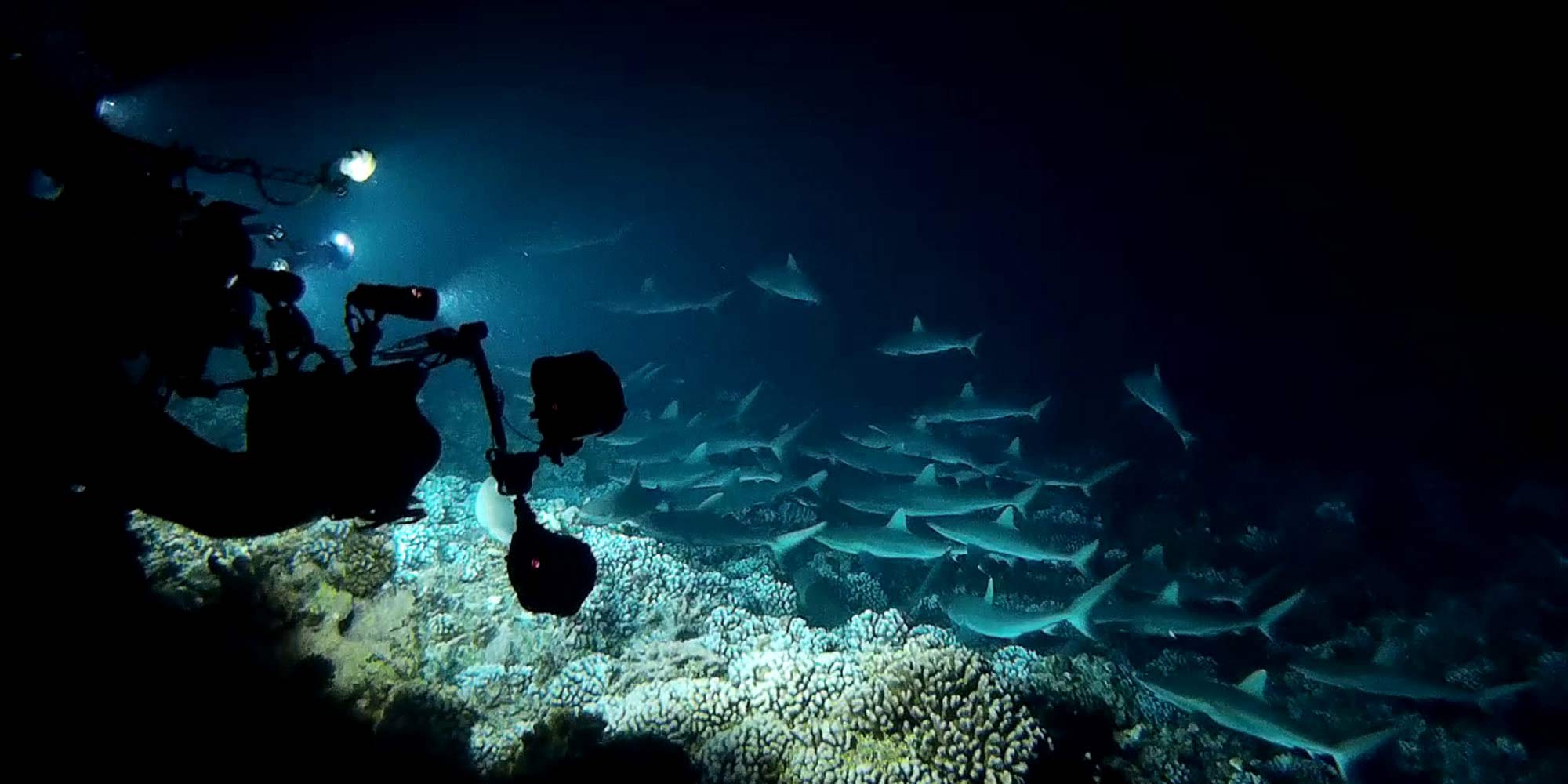
Following their lead we also took it to the next level and did a few night dives on the edge of the pass, which was pretty intense! Our video lights lit up hundreds of swarming sharks constantly circling and weaving as they hunted the reef for prey, – any fish unlucky enough to be spotted was immediately set upon by multiple sharks in a frenzy of snapping teeth and swirling bodies, and we were frequently bumped and pushed around as the sharks eagerly pursued their prey.
With our entire field of view occupied by swarm of sharks, and more on the edge of vision these night dives required complete focus and attention, and kept us living absolutely ‘in the moment’ the whole time, – there was definitely a rush of endorphins when you got out of the water! I’d have to say this shoot was one of favourite assignments, French Polynesia is such a beautiful place and has some of the healthiest shark populations on the planet…hopefully I’ll get back there again soon!
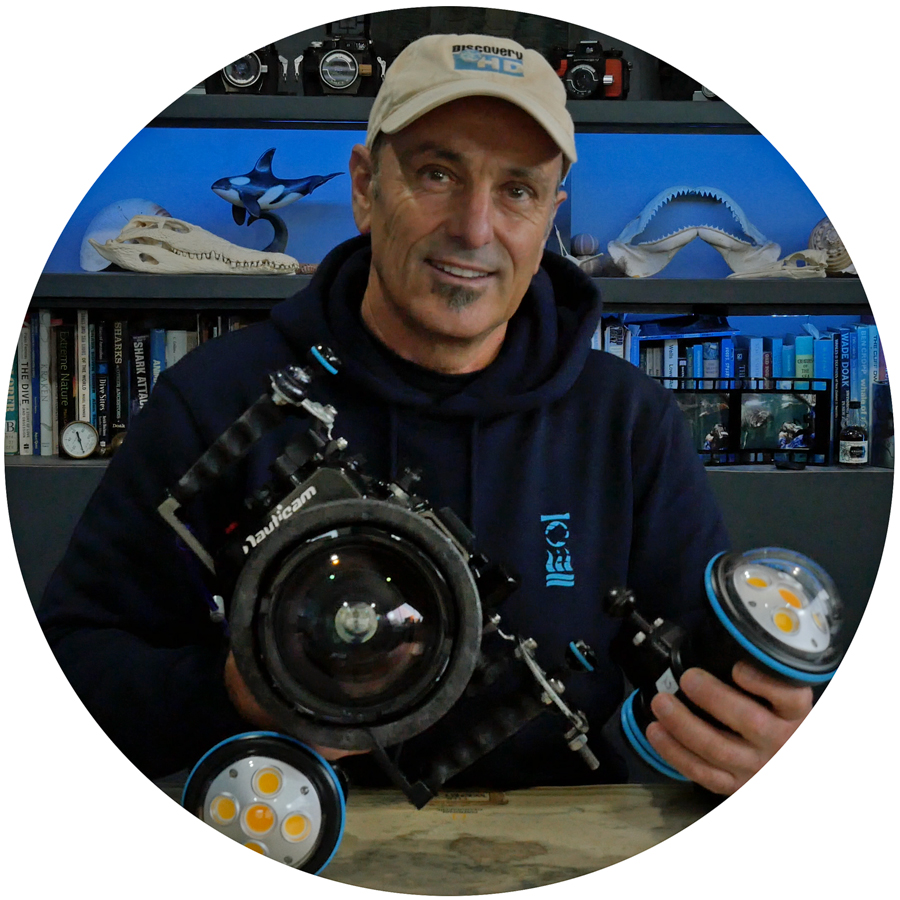
An underwater cinematographer and DoP for over two decades, Dave has spent thousands of hours filming Great white sharks, Orca, crocodiles, Giant octopus and more in both temperate and tropical waters.
Dave Abbott