


There are no products in your basket.
Going in Deep: Diving with Anxiety
Mental health has really come to the forefront of conversations in recent years. It’s amazing to now see that it is being discussed openly, but there is still work to be done. This isn’t a sob story or a cry for attention, this is just the truth and my experience with it and how diving has helped.
I’m a 28 year old teacher with pretty much everything you could hope for in life.
1. I have a family that have been nothing but supportive of me throughout my life.
2. I have the most brilliant friends who have shown me nothing but love and support.
3. I have relatively good physical health (albeit my drysuit seems to have shrunk a wee bit during lockdown).
4. I have a stable career which I enjoy… well the vast majority of the time!
5. I have a car.
6. I have a house…
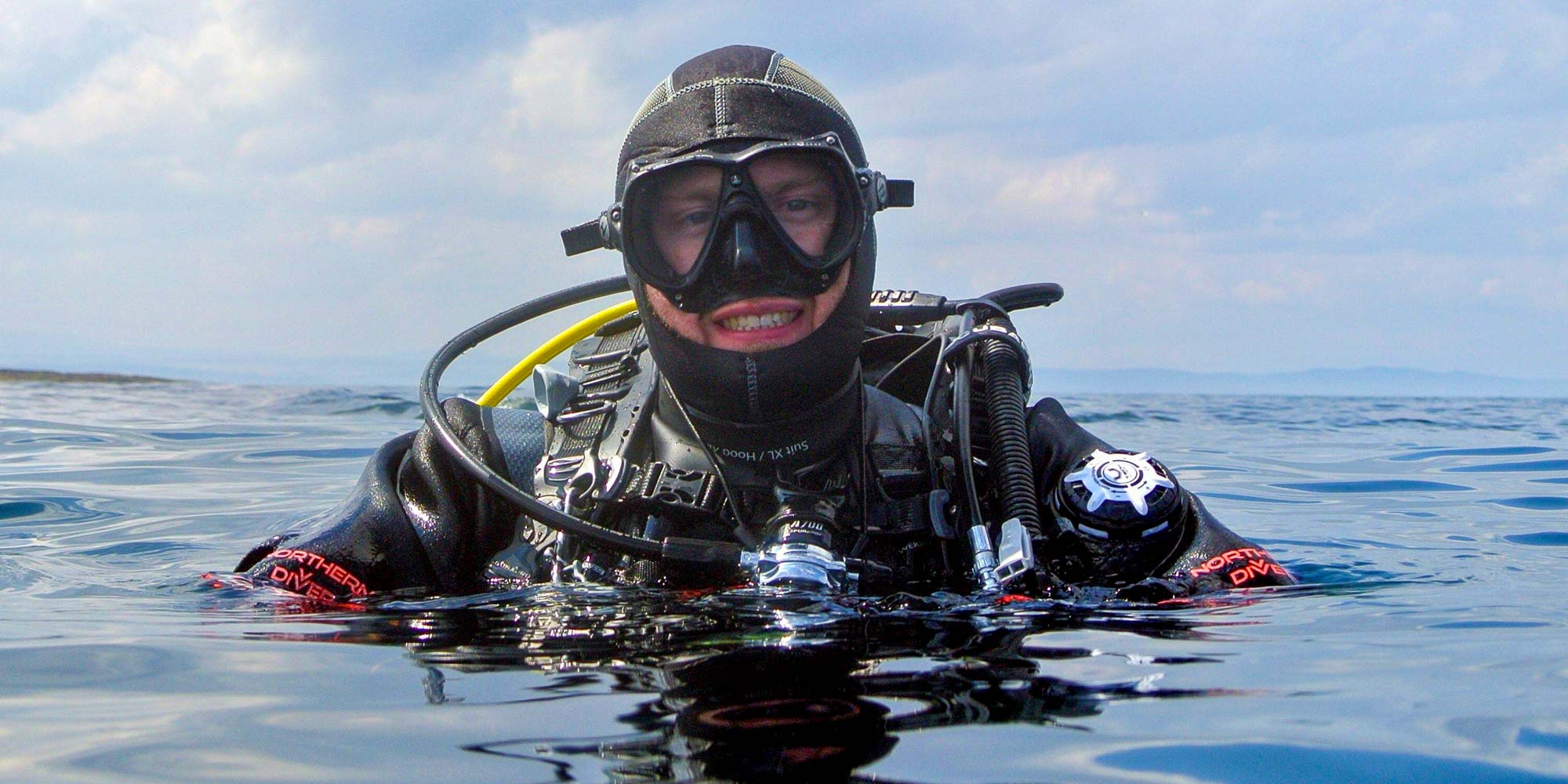
I think the long and short of it is, is that I have pretty much every 29 year old could possibly hope for!
So what reason do I have for suffering from mental health issues? The answer… I don’t know, but I do know that unfortunately a few years ago I was diagnosed with serious anxiety issues.
Now… I’m hardly what you would call a social butterfly, and regularly win the “Grumpiest Teacher” award at school (I’m quite proud of that actually!), so for most of my life people have accepted my “dourness” (good Scottish word there!) and moaning as just “Ross being Ross”.
However in February 2019 things came to a head. I know how clichéd this sounds… But my anxiety was manifesting itself as a sensation of a lump in my throat. It really is so stereotypical, I know, but for me it was real! I was absolutely convinced I had throat cancer.
In fact it got to the point I refused to go diving for 4 months because I was worried about my neck seal putting pressure on my “lump”. I was so convinced I had cancer I saw not one, but four GP’s in the space of 3 weeks who all assured me I didn’t and I was in fact suffering from anxiety! Eventually the last doctor sent me to see a consultant, not because he thought I had cancer, but because the anxiety had got so bad I couldn’t stop fixating on this. After having the camera put down my throat, as expected, there were no signs of cancer or any other issue.
I walked out of the hospital, I knew how I wanted to feel; happy, relieved, overjoyed. Instead … I felt worse! I couldn’t process it. Someone then asked if I actually wanted to have cancer and I said something that will stay with me forever. I said “Yes!”. I mean, who in their right mind WANTS cancer? It was then I realised I wasn’t in my “right mind”! I didn’t want to have cancer, but in my head the only way I could process it was I had a physical sensation, so I must have a physical condition, which required a physical treatment. It was then I had to admit I really did have mental health issues.
Even being diagnosed with anxiety led to more anxiety. I had everything a 29-year-old could ever want. I felt I had no right to struggle, when there are people out there so much worse off.
I was embarrassed, to be honest I’m embarrassed still!
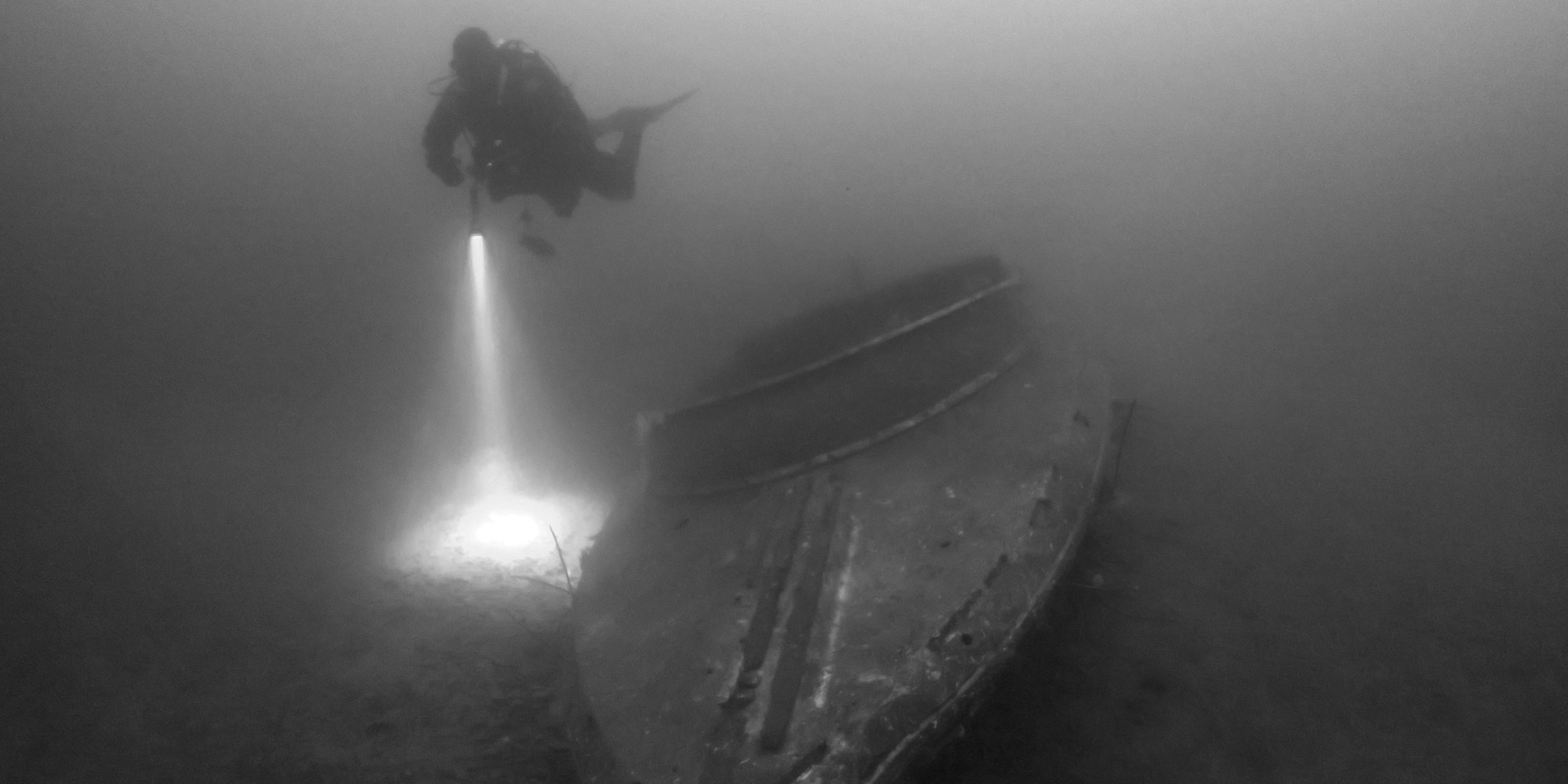
Why am I writing all this? What’s it got to do with diving? Well it’s simple. The drugs work, to an extent. Counselling works, to an extent. But really one of the main things that helped me get through it all was when I was underwater diving.
When I discussed the possibility of diving as a way to combat my anxiety my doctor was a little apprehensive. I mean come on, why wouldn’t he be? Here’s me, suffering from anxiety, worrying about anything and everything to the point of paralysis at times. What could possibly go wrong scuba diving? You’re only in an environment humans are not designed to be in, with a limited supply of air, in cold water, with poor visibility and with the danger of decompression illness if I panic and bolt for the surface? Sounds like a perfect idea… the funny thing is though, it was!
I guess it helped my doctor wasn’t just interested in writing a prescription and sending me on my way… and he was a diver himself. He spent a good 20mins talking over my issues, essentially assessing me before he gave me the ok and decided I wasn’t a risk to myself or my buddy. We also consulted with UKDMC as well to get their opinion and thankfully for me they agreed I was fit to dive after an honest and frank discussion with them.
It’s funny in all my time diving, and I’ve had my anxiety issues for a lot longer than I’ve been diving albeit undiagnosed, I’ve never once felt really properly anxious during a dive. Despite being in some rather stressful situations I’ve never lost control, in fact I’ve never felt more in control. I’ve always managed, after a few seconds of immediate worry, to keep myself calm and relaxed.
As cheesy as it sounds scuba diving opens up a whole new world to you, literally. It’s not for everyone, and for some people it’s their worst nightmare, just the thought of open water will send some people’s anxieties sky high. But for me it’s the exact opposite, for me it’s been one of my biggest helps and the thought of going for a dive sometimes has been what has gotten me through a week.
Let’s be honest, the dive sites of Loch Long and Loch Fyne on the West coast of Scotland aren’t exactly the diving capital of the world. But for me they offered the escape I needed to be able to help rebalance myself. A lot of the time I saw the same things on each dive, well when the visibility allowed it, but it wasn’t about that as such. It was the peace and tranquillity of being there, in the moment and the feeling of weightlessness, both physically and mentally as if a weight had been lifted off of my shoulders (that quickly returned once I tried to scramble up the beach with the twinset).
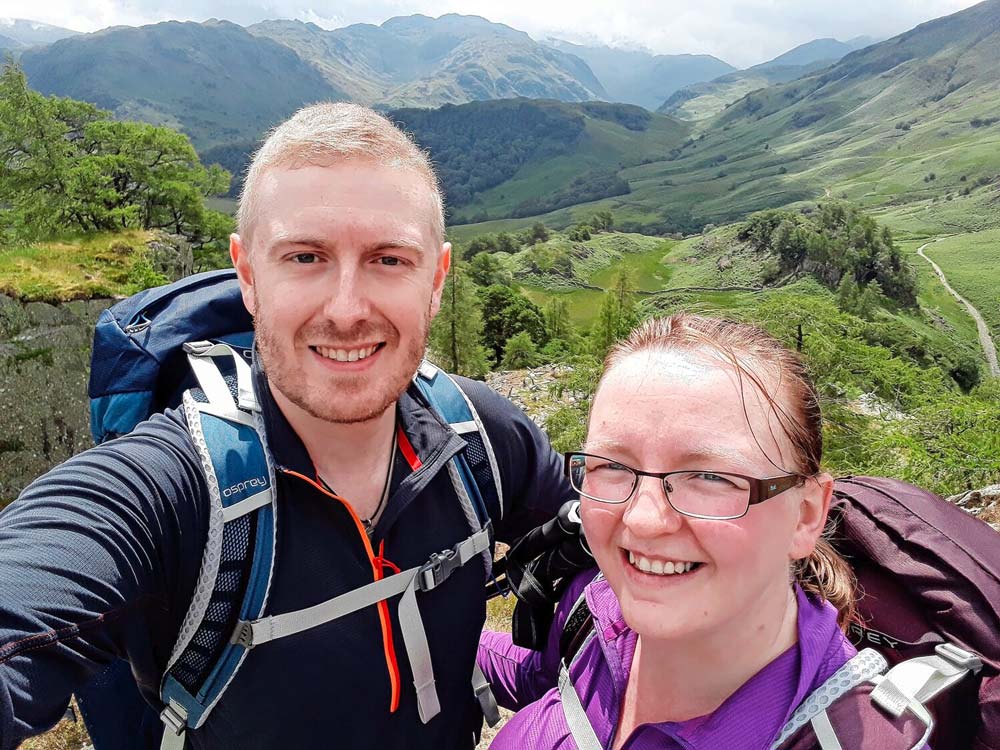
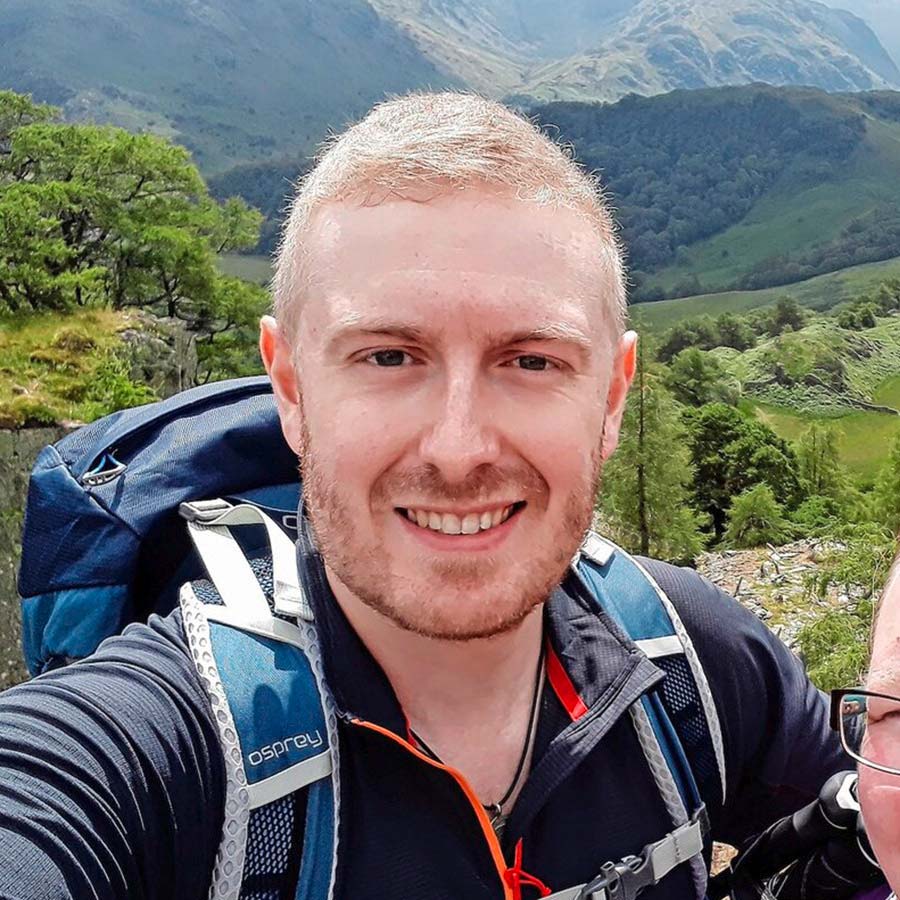
Ross McLaren is a secondary school chemistry teacher in the West of Scotland. He describes himself as “Not a professional or even a technical diver, I’m just a normal guy with a Monday to Friday, 9 to 5(ish) career, that loves to go diving here in the UK (really Scotland!) and try to show the amazing stuff that so many people don’t realise we have right here in our own country”. He is a regular contributor to the online platform, BBC the Social.
Ross McLaren